
The Data Spaces Symposium 2026 strengthens Europe’s drive to advance data spaces.
February 13, 2026
DESCRIPCIÓN
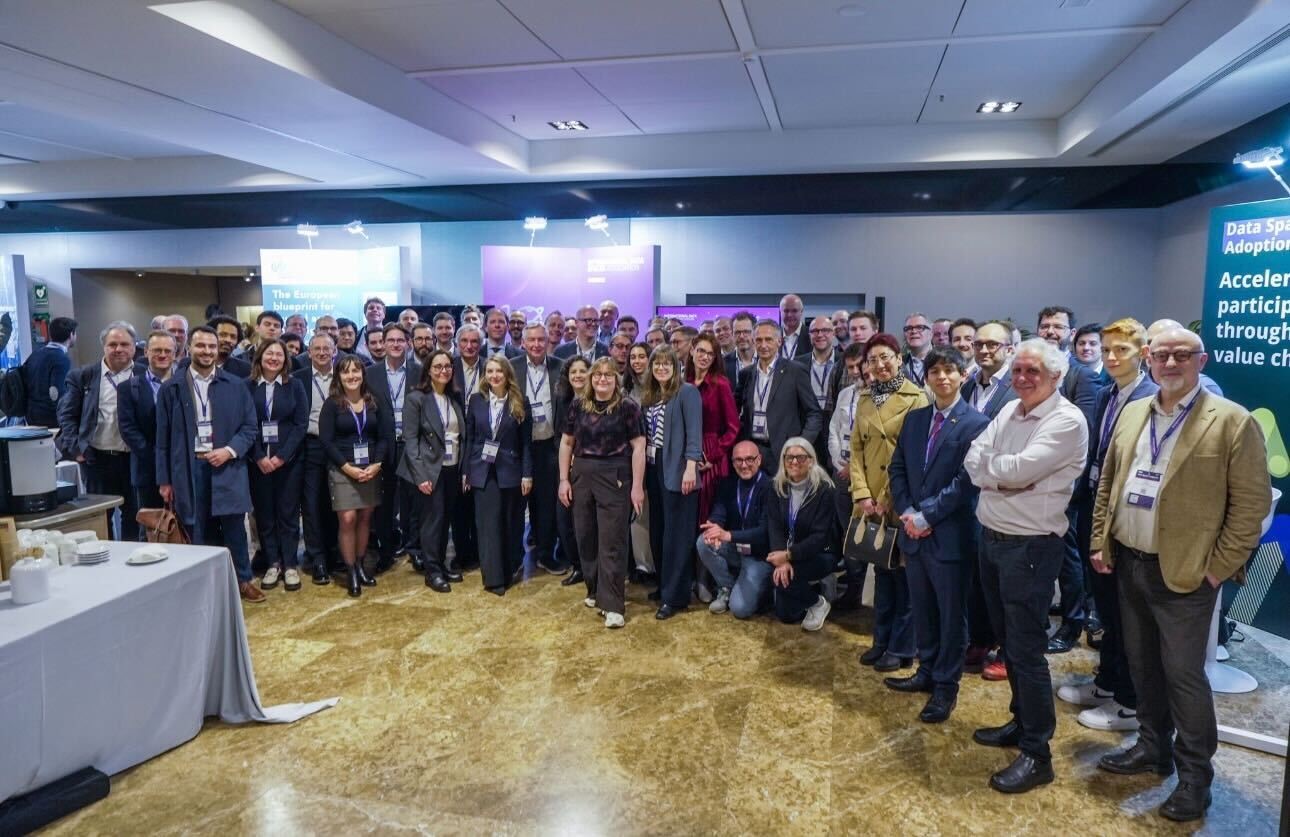
Here is the English translation of your text:
Scalability and adoption: from pilot to real deployment
The second day focused on implementation and scalability. One of the most significant milestones was the official launch of the Data Space Adoption Forum (DSAF), supported by the International Data Spaces Association (IDSA), the Gaia-X Association for Data and Cloud (AISBL), and CISPE, among other stakeholders. The initiative aims to accelerate large-scale adoption through cloud solutions and plug-and-play services that reduce costs and complexity, making it easier for thousands of companies—especially SMEs—to join.
In this context, the session “Who onboards the millions? Solving data spaces at scale” specifically addressed how to overcome current barriers related to cost, complexity, and slow onboarding processes in order to move towards distributed, market-ready models.
Another strategic moment was the meeting of the IDSA Hubs, a key coordination forum to align national initiatives and strengthen international cooperation around data spaces.
IDSA also celebrated its 10th anniversary during the Data Spaces Symposium.
Recognizing excellence: European Data Spaces Awards
The Symposium also hosted the first edition of the European Data Spaces Awards, launched by the DSSC with the support of the European Commission. The awards recognized DjustConnect in the category of excellence in impact and sustainability, and sphin-X e.V. as the most innovative emerging data space.
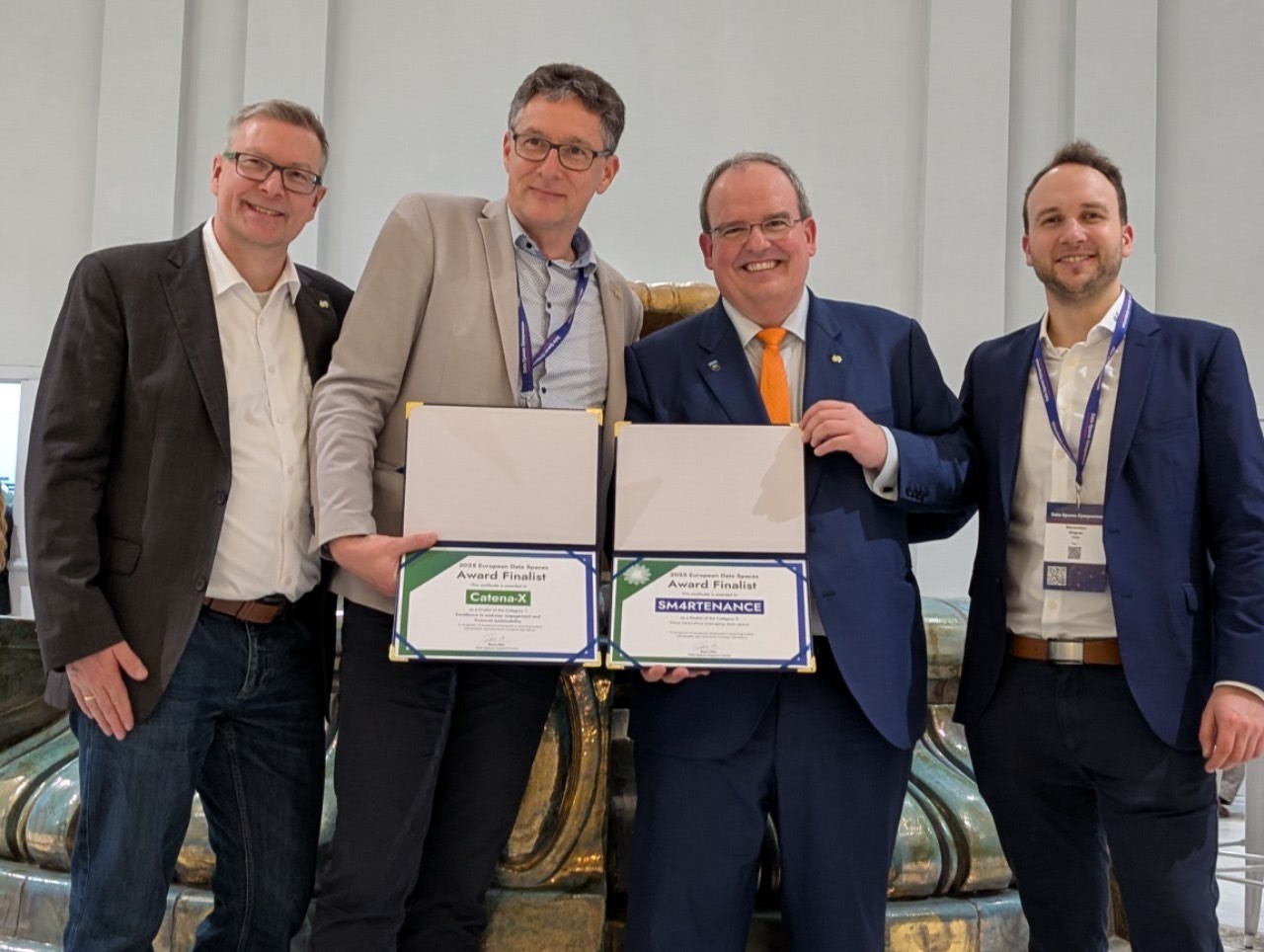
We also extend our congratulations to the other finalists: SM4RTENANCE—a project in which we actively participate and which represents an outstanding example of industrial collaboration at European scale—Catena-X, data.gouv.fr, and DEPLOYTOUR-Deployment European Tourism Data Space.
A very positive assessment
At BAIDATA, we made a very positive assessment of DSS26. The two-day event highlighted tangible progress in the implementation of data spaces, while also identifying the remaining challenges in terms of governance, interoperability, and scalability. The active participation of our partners and our involvement in strategic projects further reinforce our commitment to building an interoperable, trustworthy, and sustainable European data ecosystem.
The Data Spaces Symposium 2026 demonstrated that data spaces are no longer just a vision for the future, but a reality that is steadily taking shape. The work continues, and the European ecosystem is moving forward collaboratively towards a stronger, more connected data economy.